

The Thrill of Uncertainty
The allure of casino gambling is deeply rooted in the human psyche, primarily due to the thrill of uncertainty. This psychological phenomenon, often referred to as the “gamble effect,” suggests that the unpredictability of outcomes can lead to heightened emotions and excitement. Players are drawn in by the hope of winning, and this hope becomes intertwined with the adrenaline rush that accompanies the possibility of defeat or victory. In many ways, casino experiences can mirror various entertainment options, like visiting a manitoba online casino, which also taps into the excitement of chance.
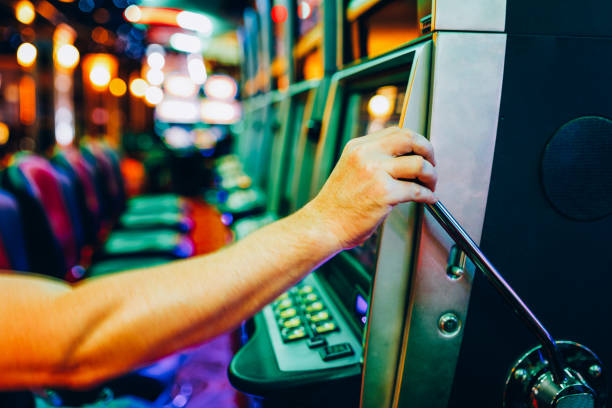
Moreover, the uncertainty of gambling taps into our natural instincts. When players place bets or spin the wheel, the potential for unexpected rewards triggers the brain’s reward system. This response releases neurotransmitters like dopamine, reinforcing the desire to play and fueling a cycle of anticipation and excitement.
The Impact of Social Interaction
Another significant aspect of casino gambling is the social environment it creates. Many players enjoy the camaraderie that comes with participating in games alongside other individuals. The social interaction in casinos, whether through chatting with fellow gamblers or sharing in collective moments of excitement during a big win, enhances the overall experience.
The psychological benefits of social connection extend beyond mere enjoyment. Engaging with others while gambling can create a sense of belonging and community, which is essential for emotional well-being. This social aspect often makes the gamble more enticing, as the shared experiences can overshadow the financial risks involved.
Addiction and Compulsion
While many view gambling as a form of entertainment, the potential for addiction looms large. The psychological mechanisms that drive gambling behavior can lead to compulsive gambling, manifesting as an uncontrollable urge to continue playing despite negative consequences. This addiction often stems from the brain’s reward pathways becoming desensitized, requiring larger bets or more frequent play to achieve the same level of excitement.
Understanding the addiction aspect of gambling is crucial for addressing the issues it creates. Many individuals may not realize they are developing a gambling problem until it escalates into significant life disruptions. This highlights the importance of awareness and education about the psychological effects of gambling to help individuals maintain a healthy relationship with this form of entertainment.
The Role of Environment and Design
The environment of a casino plays a pivotal role in shaping the gambling experience. Designers intentionally create spaces that evoke a particular atmosphere of excitement and allure. Bright lights, engaging sounds, and visually stimulating decor are all crafted to draw players in and keep them engaged longer.
This design psychology capitalizes on sensory experiences that enhance the thrill of gambling. Features such as free drinks, comfortable seating, and a non-stop flow of entertainment ensure that players feel encouraged to continue gambling. This immersive environment can cloud judgment, making it easier for individuals to lose track of time and money.

Connecting Audiences with Cultural Experiences
One platform that embodies the essence of connecting audiences with cultural experiences is Blue Canoe Theatrical. Although primarily focused on theatrical content, it resonates with the cultural exploration often found in casino settings, where entertainment is central to the experience. The connection between storytelling and gambling draws parallels in their ability to engage and immerse individuals in unique experiences.
As with gambling, the enjoyment of theatrical performances hinges on the psychological engagement of the audience. By facilitating high-quality productions, Blue Canoe Theatrical aims to enhance cultural interactions, much like a casino seeks to elevate the thrill of the gamble. This synergy between different forms of entertainment emphasizes the importance of shared experiences and emotional connections in our pursuit of leisure activities.

